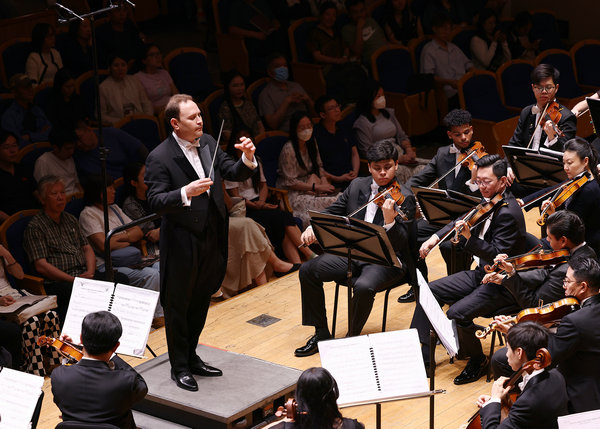
Dance of the Golden Snake
Introduction
Dance of the Golden Snake is a celebrated piece of Chinese music composed by Nie Er, which has become an iconic representation of Chinese musical culture. Initially created in the early 20th century, Dance of the Golden Snake is known for its vibrant rhythm and lively melody, which encapsulate the festive spirit of the Spring Festival in China. Over the years, it has been adapted into various performances, displaying a unique blend of traditional Chinese musical elements with modern orchestral arrangements.
History
The origins of Dance of the Golden Snake can be traced back to the early 1930s, when it was composed by Nie Er, a prominent Chinese composer known for his contributions to the development of Chinese music. The piece was initially created as part of a series of works aimed at celebrating Chinese culture and heritage. Nie Er's composition was intended to evoke the lively and jubilant atmosphere of traditional Chinese festivals, particularly the Spring Festival, also known as the Chinese New Year.
Over the years, Dance of the Golden Snake has undergone various adaptations and has been included in numerous musical performances both in China and internationally. Its enduring popularity is attributed to its dynamic composition, which resonates with audiences and performers alike. Notably, the piece has been arranged by Tang Jianping for orchestral performances, broadening its appeal and showcasing its versatility within different musical contexts.
Musical Composition
Dance of the Golden Snake is characterized by its dynamic and spirited musical structure. The piece is composed in a lively tempo, with a strong rhythmic foundation that drives the energy of the performance. The melody is rich and engaging, often incorporating traditional Chinese musical motifs that add cultural depth to the composition. The orchestration of the piece allows for a wide range of instrumental expressions, from the delicate strings to the powerful brass and percussion sections, creating a vibrant and cohesive musical experience.
The composition's structure is typically divided into multiple sections, each with its own thematic development. This segmented approach provides a sense of progression and variety, keeping the audience engaged throughout the performance. The use of traditional Chinese instruments, such as the erhu and pipa, in conjunction with Western orchestral instruments, highlights the fusion of Eastern and Western musical traditions, a hallmark of modern Chinese orchestral compositions.
Cultural Significance
Dance of the Golden Snake holds significant cultural value in China, as it is closely associated with the celebration of the Spring Festival. The piece is often performed during New Year festivities, symbolizing prosperity, joy, and renewal. Its lively rhythm and festive melody embody the spirit of Chinese cultural celebrations, making it a quintessential part of traditional and contemporary Chinese music repertoire.
The piece's cultural significance extends beyond its role in New Year celebrations. It represents the blending of traditional Chinese musical elements with modern orchestral techniques, showcasing the evolution of Chinese music over the decades. As such, Dance of the Golden Snake serves as a cultural bridge, connecting past traditions with present innovations, and fostering a sense of national identity and pride among Chinese audiences.








